
 УКР
УКР  POL
POL 
Why South Korea Is So Popular (Part 2)
This is the second part of the article about Korea; in the first part, we already explored the cultural peculiarities of the "tiger peninsula."
This predator holds sacred significance for Koreans and frequently appears in myths and legends — perhaps because the tiger's character reflects the fighting spirit inherent to the Korean people. Today we will talk more about that, and much else besides. We also strongly recommend reading the first part, where we already uncovered the most intriguing characteristics of Koreans for a Western reader: the culture of respect, familial attitudes, and the phenomenal level of trust within society.
Table of Contents
- 눈치 (nunchi) — the key to a new world
- 배려 (beoryeo) — care for others
- 근면 (geunmyeon), or "the diligence that lifted Koreans from the ruins"
- Don't dawdle — Koreans do everything 빨리빨리 (palli-palli)
- What people love most about Koreans: a beginner's guide
- Conclusions
눈치 (nunchi) — the key to a new world
They say it's hard to live in Korea without nunchi. So what exactly is this concept?
Nunchi is the Korean art of instantly reading a situation and the emotional state of those around you, in order to act harmoniously, tactfully, and effectively. Literally translated as "measuring with the eye," it means the ability to "read the room" — to understand the mood of a group or an individual, respond quickly, build trust, and avoid conflict.
The art of nunchi resembles tact or emotional intelligence, which has increasingly become one of the most sought-after soft skills among employers. If you know when to hold your tongue, correctly read the mood of an audience or a specific person, or steer a conversation in a different direction before the other person feels uncomfortable — then you possess a superpower called "nunchi."
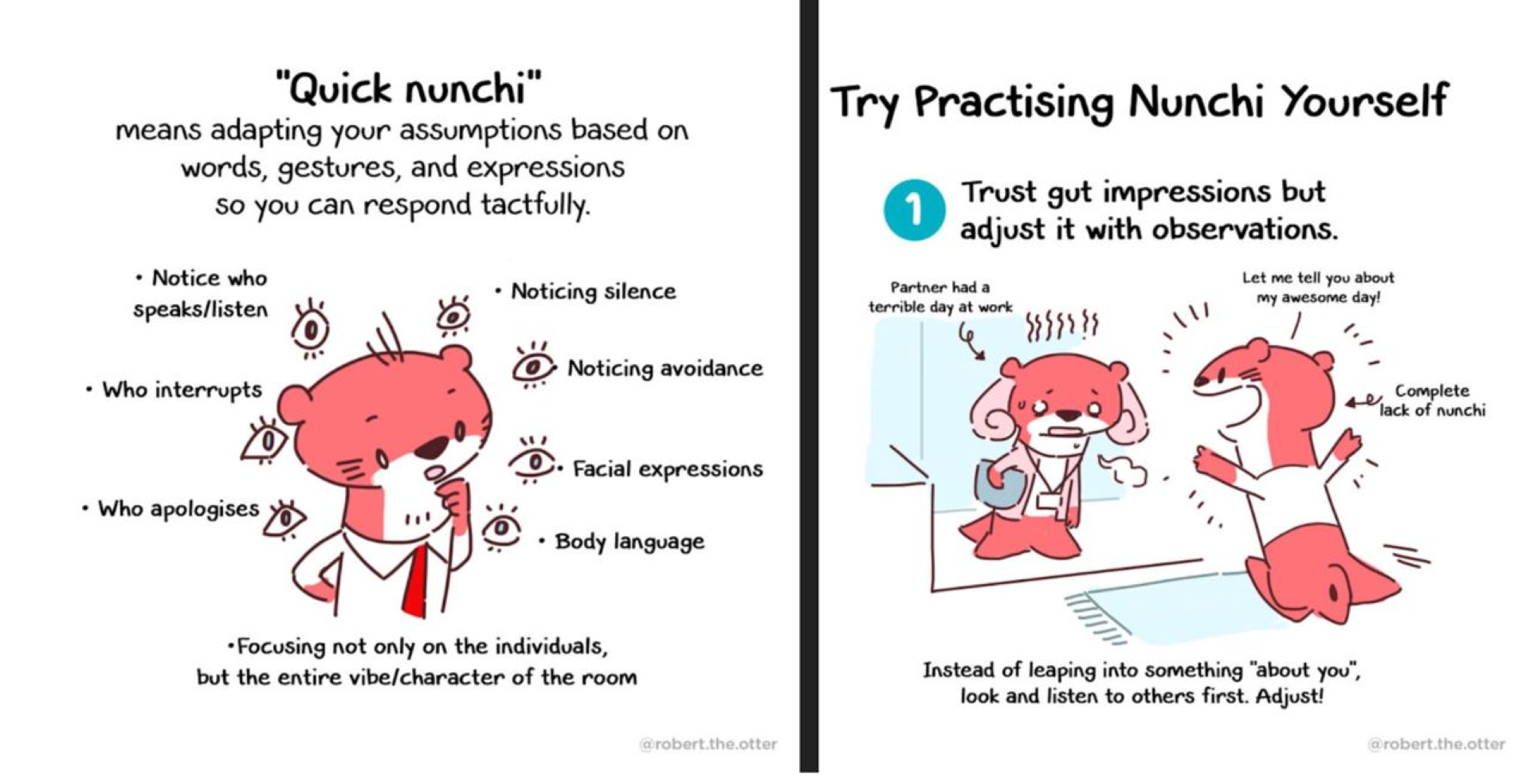
Comic illustrations about nunchi, where the author explains very clearly what it is and what it looks like
As we have already mentioned, South Korea is a major global producer of semiconductors and smartphones. It is also the only member country of the Organisation for Economic Co-operation and Development (OECD) that joined as a borrower and later became a creditor.
Certainly, some of that can be attributed to luck, diligent work, and financial assistance from America. But if that were a universal recipe for success, any other developing country could have achieved the same — and yet no one else has managed such a powerful leap.
In my view, the Korean economic miracle owes a great deal to nunchi — the ability to sense the rapidly shifting needs of other countries, produce the goods required for export, and revise plans accordingly. After all, things change very quickly on the world stage, and Koreans feel those changes acutely.
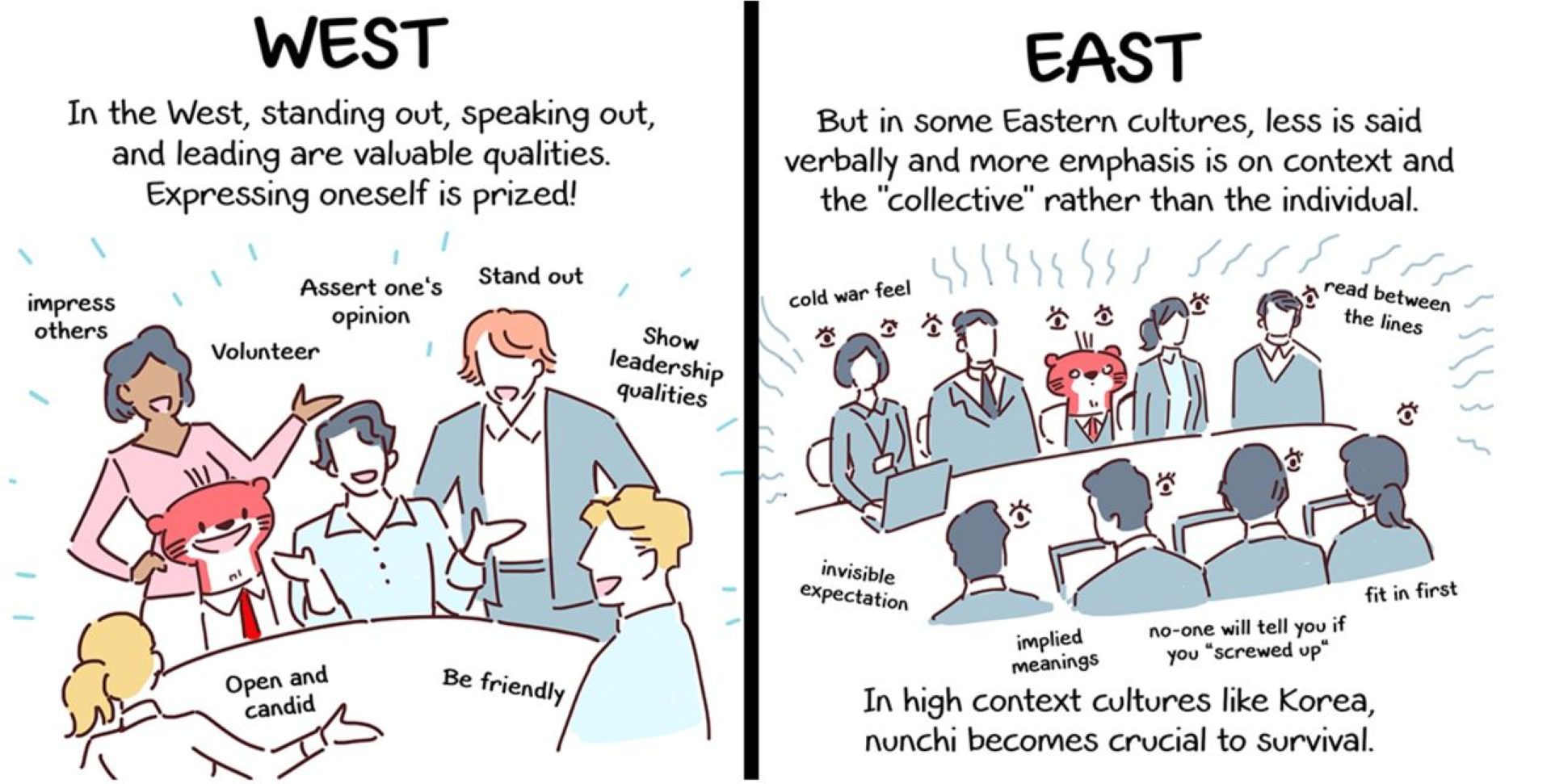
Comic illustrations about nunchi, where the author explains very clearly what it is and what it looks like
Korean society is described as high-context, and rightly so — most meaning, depth of thought, and emotion are conveyed not only through words but through context: the ability to listen, to joke tactfully, and to care for others. So this can serve as a fine example of how we might deepen the quality of our own relationships — both at work and at home. I would, of course, recommend visiting Korea at least once, but if that isn't possible, watching some genuinely good dramas will give you a sense of what I mean.
A high-context society (or high-context culture) is a type of culture in which the greater part of communication is carried not by words but by context: the situation, non-verbal cues, relationships, hierarchy, and the shared knowledge of the participants.
배려 (beoryeo) — care for others
I'll be honest — I'm an imperfect person. I'm reminded of this the moment I'm standing at a bus stop, silently blaming society as people toss trash at their feet, flick cigarette butts, and discard all manner of rubbish. And there I stand at the stop as though at a landfill, wondering — will we ever change..?

A tree near a bus stop on the left bank of Kyiv
Granted, my silent accusation isn't enough to change our situation, but let this at least be a first step. South Korea, by contrast, struck me as so clean. And paradoxically — you know, there are no rubbish bins on the streets. Literally. This is a well-known joke among Koreans themselves, because it can be rather inconvenient at times. So where do they throw their rubbish?
Despite the absence of bins at bus stops, outside (rather than inside) shops, and in public spaces (they're rare even in the metro), the streets of Seoul are mostly clean. How?
In short — Koreans take all their rubbish home, sort it there, and then set it out for a special service to collect, for a fee. Can you imagine? South Korea didn't simply remove its street bins on a whim; it was the result of a systemic waste management reform in the 1990s–2000s. The main reasons were problems with overflowing bins and the smell. Previously, waste receptacles were everywhere, but they constantly overflowed. In the heat and rain the rubbish rotted and stank on the streets. The government introduced strict rules: waste must be sorted at home — plastics, glass, paper, food waste. For the system to function, street bins became superfluous — people had to take their rubbish home in order to sort it properly.
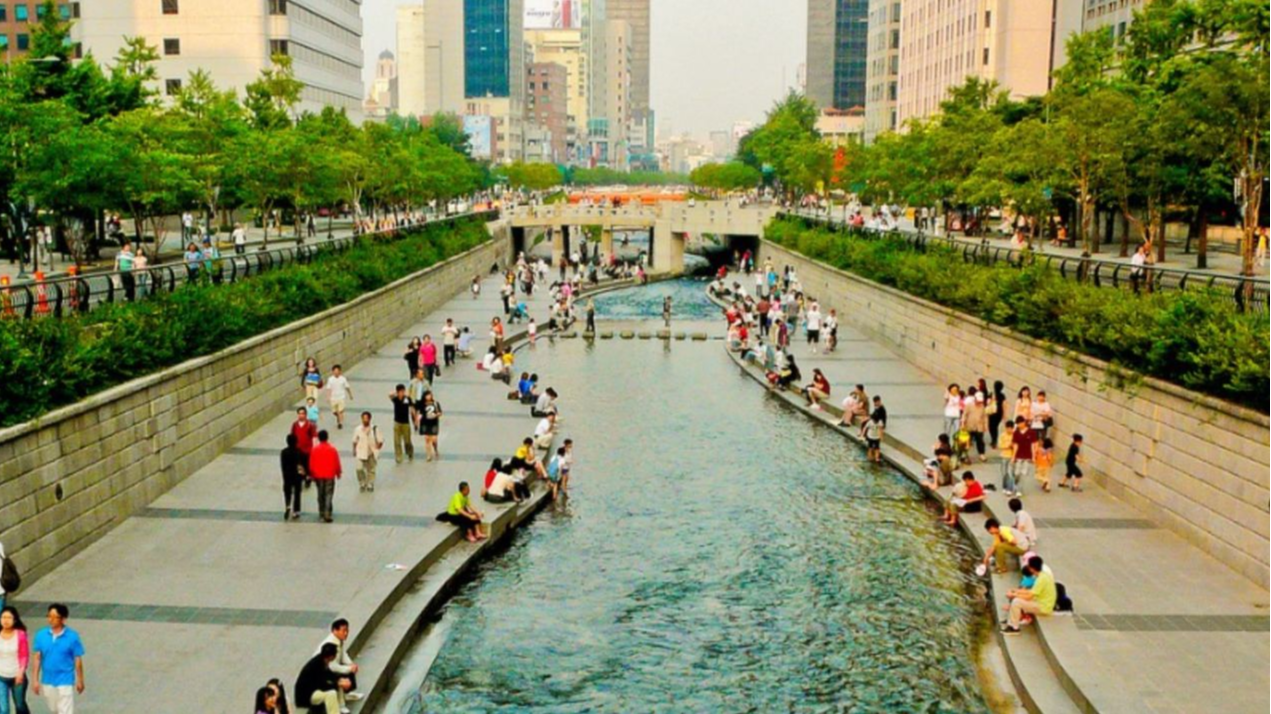
A rest area in Seoul, strikingly clean despite being a tourist spot
What inspired me most was that the government introduced these rules — and, crucially, people got on board. For the average citizen it may be mildly inconvenient, but since it creates a better situation with waste across the country, they are willing to put in the effort.
Again, I don't want to idealize things. You can genuinely encounter dirty streets in Korea — but that will either be in some rough neighbourhood (where gangs operate) or on streets lined with restaurants, where Koreans typically drink in the evenings and at night, sometimes to the point of passing out, so naturally it gets messy there. However, every morning cleaning crews come through to tidy up, only for the chaos to repeat itself by evening.
The unusually dirty streets of Seoul — in the area with many bars and restaurants
What would I add about beoryeo? Thanks to this orientation toward the collective and care for others, the outward aspect of comfort is genuinely endearing. They think through details — yes, the comfort details of public spaces — and it works.
Heated benches, bus stops with charging points and precise timetables. Koreans are so punctual! There's even a popular business saying I heard more than once in Korea: if you arrive on time, you're late; if you arrive early, you're on time.
The common thread here is community-minded thinking. This is tremendously important and is the driving force behind the country's dynamic development — something I believe we, too, can adopt for our own growth.
근면 (geunmyeon), or "the diligence that lifted Koreans from the ruins"
Diligence has both strengths and weaknesses. You've probably heard more than once that highly developed East Asian countries have a phenomenon known as death from overwork. Sadly, this is a reality — but it is also one of the risks of development. A country's development, just like personal development, is driven by effort that exceeds what seems possible. The line where you risk overworking yourself is sometimes invisible, and so Koreans, a naturally industrious people, are also at risk. Nevertheless, for them such workaholism is a virtue that requires no recognition — it's simply the natural order of things. After the war they had no choice; recovering from ruins is incomprehensibly hard work. So they worked. Incredibly hard. From an early age, Koreans grow up resilient (they even have a national martial art — taekwondo) and hardworking.
Young children practising taekwondo
I was often told 열심히 (yeolshimi), meaning "diligently" — study diligently, work diligently, and even live diligently. In fact, "yeolshimi" carries a deeper emotional undertone: it means maximum effort, giving one hundred percent. Whereas 근면 (geunmyeon) means: endure hardship, don't give up, keep going even when it's difficult.
The war and the reconstruction sparked an education frenzy in South Korea, making it perfectly normal to have large numbers of private tutors, fierce competition for university places, and intense competition in the job market. For the first time I encountered the concept of the "study café" — a café you go to specifically to study — and 고시원 (goshiwon): a special hostel for students preparing for exams.
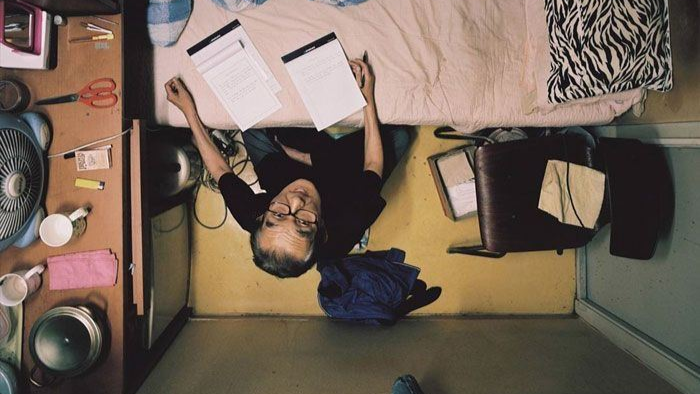
Goshiwon — South Korean exam-prep hostels, roughly 4 square metres in size
In truth, the academic pressure can cause various problems — anxiety and depression among young people and adults alike. High standards and expectations, even for Koreans who are combative by nature, even for children who have been steeling their spirits through martial arts since childhood — even with all of that, it is hard for them.
Fortunately, South Korea has begun paying greater attention to the issue of psychological wellbeing, as can be seen in dramas such as Daily Dose of Sunshine, It's Okay to Not Be Okay, and My Mister. The path of reconstruction demands enormous effort and sacrifice — sometimes even of one's health. And Koreans often make that choice consciously.
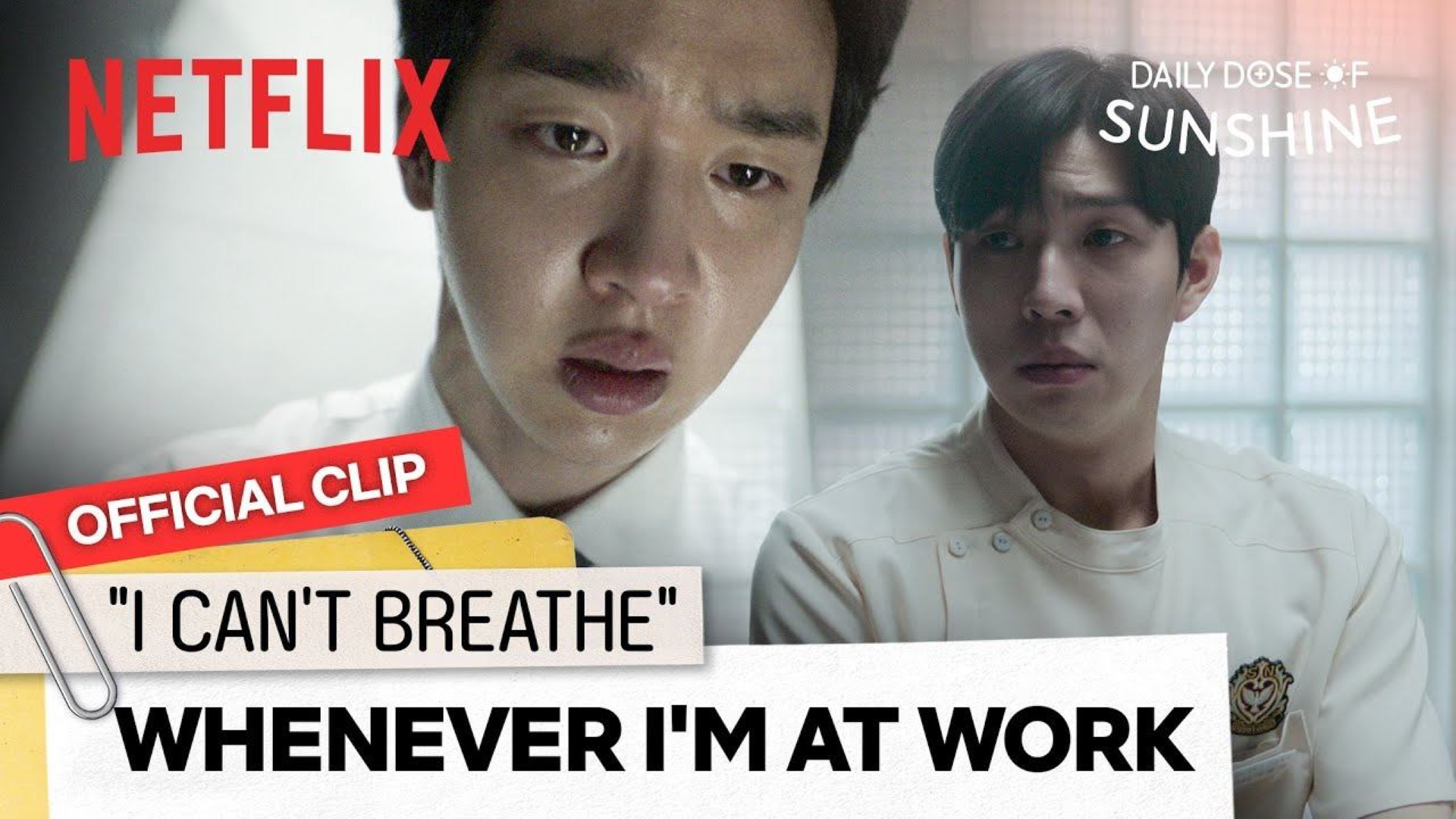
Stills from the drama Daily Dose of Sunshine
Don't dawdle — Koreans do everything 빨리빨리 (palli-palli)
Have you ever worked with Koreans? If so, you may have noticed that they constantly push you to go faster. In truth, they do this not because you are slow, but because they are extraordinarily fast. This is yet another cultural phenomenon characteristic of Korean work culture. Doing everything quickly and well is the gold standard — one that is never spoken aloud, yet always present. It shows up in the small things: very precise and punctual public transport schedules, swift service at establishments, and the remarkably nimble bus drivers who are the subject of jokes because they pull up to stops like competitors in Formula 1. And yet they still manage to greet every passenger with a personal "welcome," which creates a pleasant atmosphere — pleasant enough that you later forgive them when the bus starts drifting on a mountain slope.
What people love most about Koreans: a beginner's guide
I'll be honest: I used to be a hater of all things hyped. Whenever something became trendy or popular, I would immediately make a disgusting face (slang for an expression of disgust). That was the case with K-pop and dramas when they began gaining popularity when I was fifteen. Interestingly, however, my attitude changed over the following ten years — first I replaced my haughty "what's all this hype about" with an explorer's spirit of "what's so special about it?" This didn't happen by accident: I had started working with Koreans and noticed that there was indeed something unusual about them.
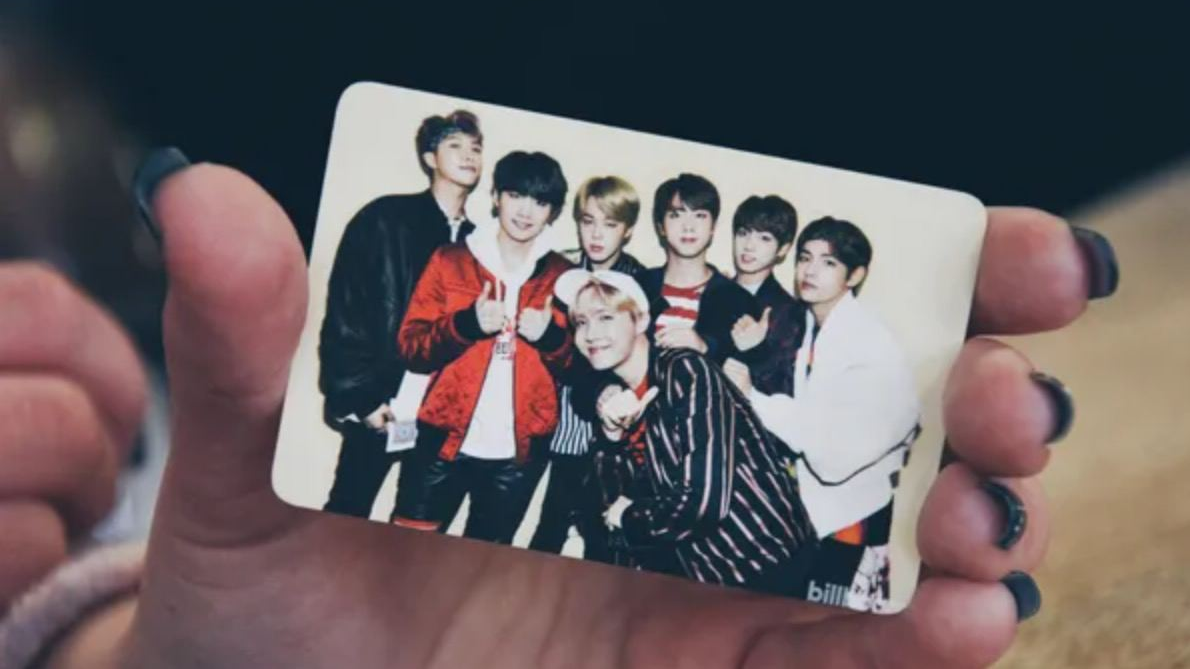
When I finally watched some dramas, I gradually began to understand. Here I'd like to mention a few important Korean terms.
The first: 정 (jeong) = deep attachment. This is a feeling, an emotional depth, that I discovered through Koreans. I believe it is one of the driving forces behind hallyu (the Korean Wave), because Koreans have literally begun to win over the hearts of the West. In dramas, 정 (jeong) is portrayed not simply as love, but as "accumulated warmth" between people that grows from shared time and shared experiences. To translate it not by words but by meaning: jeong is when someone has already "become their own" in your heart. Such depth is valuable for society — it makes people less cold, relationships more stable, and mutual support more abundant. This is precisely why Korean society feels "warm," even when it is highly structured.
A still from the film Past Lives, depicting the bond between people — and what it means to hold someone "deep in your heart"
Korea has won the world over with its 심정 (shimjeong) — its heart — through dramas. Korean dramas have become the top dramatic series from the East. It is undeniably the relationships and the high standard of love that have become the calling card of K-drama. Again, the human capacity to love runs very deep, and when a substantive example exists, we naturally want to follow it. And, as already mentioned, what draws us in even more is the high-context culture. Dramas tackle not only the question of "what is true love" and "what is true friendship," but also questions of loss, good and evil, choice, revenge, and inequality. Works of genius have achieved worldwide fame and recognition: Parasite, Squid Game, Train to Busan, Oldboy. Such "merciless" plotlines are no accident either — Koreans are a soulful nation, and the horrors of war and occupation found expression in their stories. What Koreans felt, the pain they carried but found so difficult to articulate, is called 한 (han).
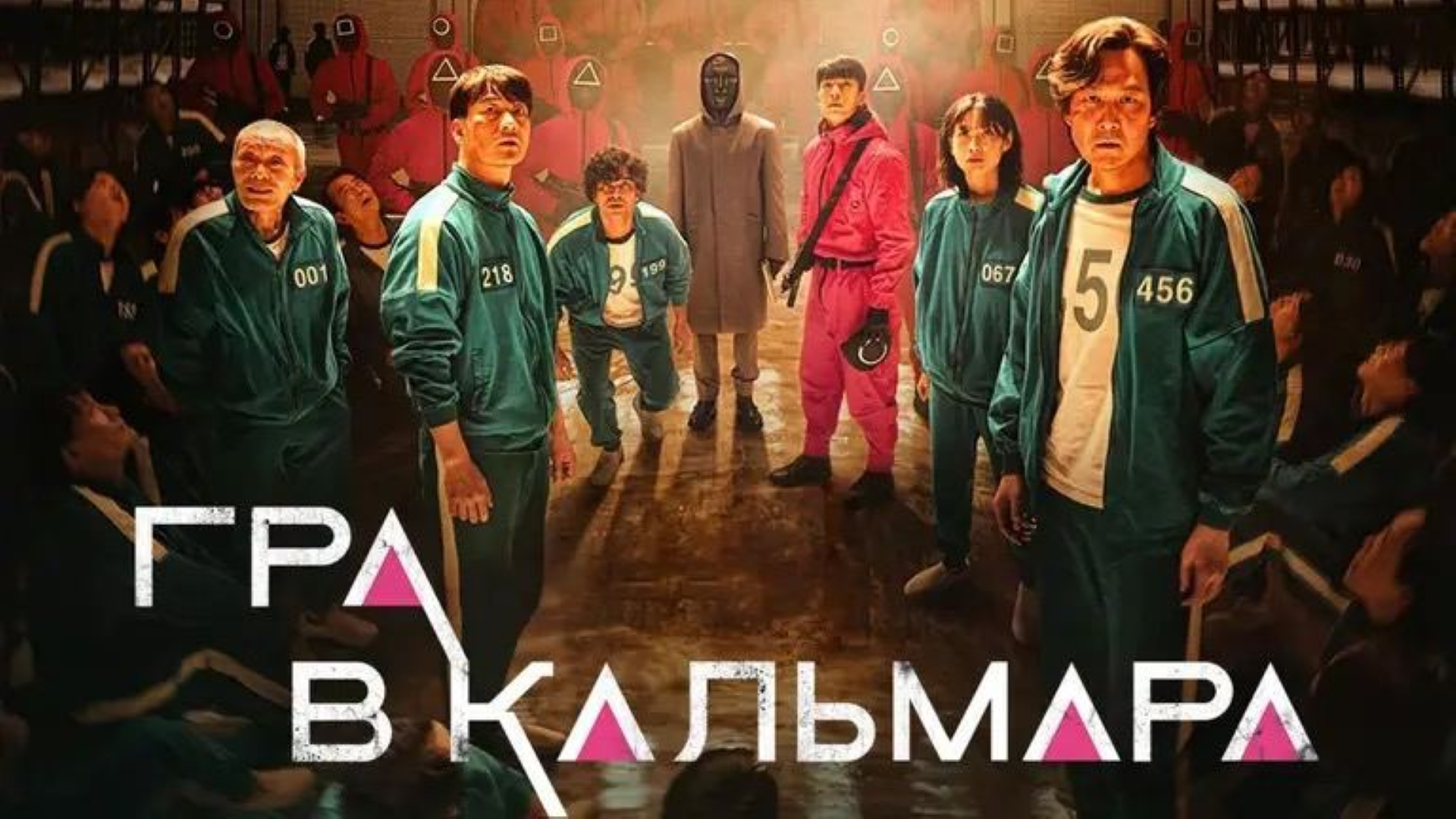
The poster for Squid Game, which became so well known it captivated even those with no prior interest in Korea
I can say with certainty that my emotional range expanded enormously thanks to dramas — and what is valuable is that this included painful emotions as well. At first I didn't want to watch heavy or sad dramas, but eventually I even came to love that style of storytelling, because it gave me the ability to feel far more — to feel the pain of others as my own, which helped me better empathise, support, and care for people.
And I consider a unique contribution of dramas to be their cultural influence on the expression of feelings and emotions in men. A man's tears in a drama are not a sign of weakness but, on the contrary, of strength — for it means a person can honestly express what they feel.
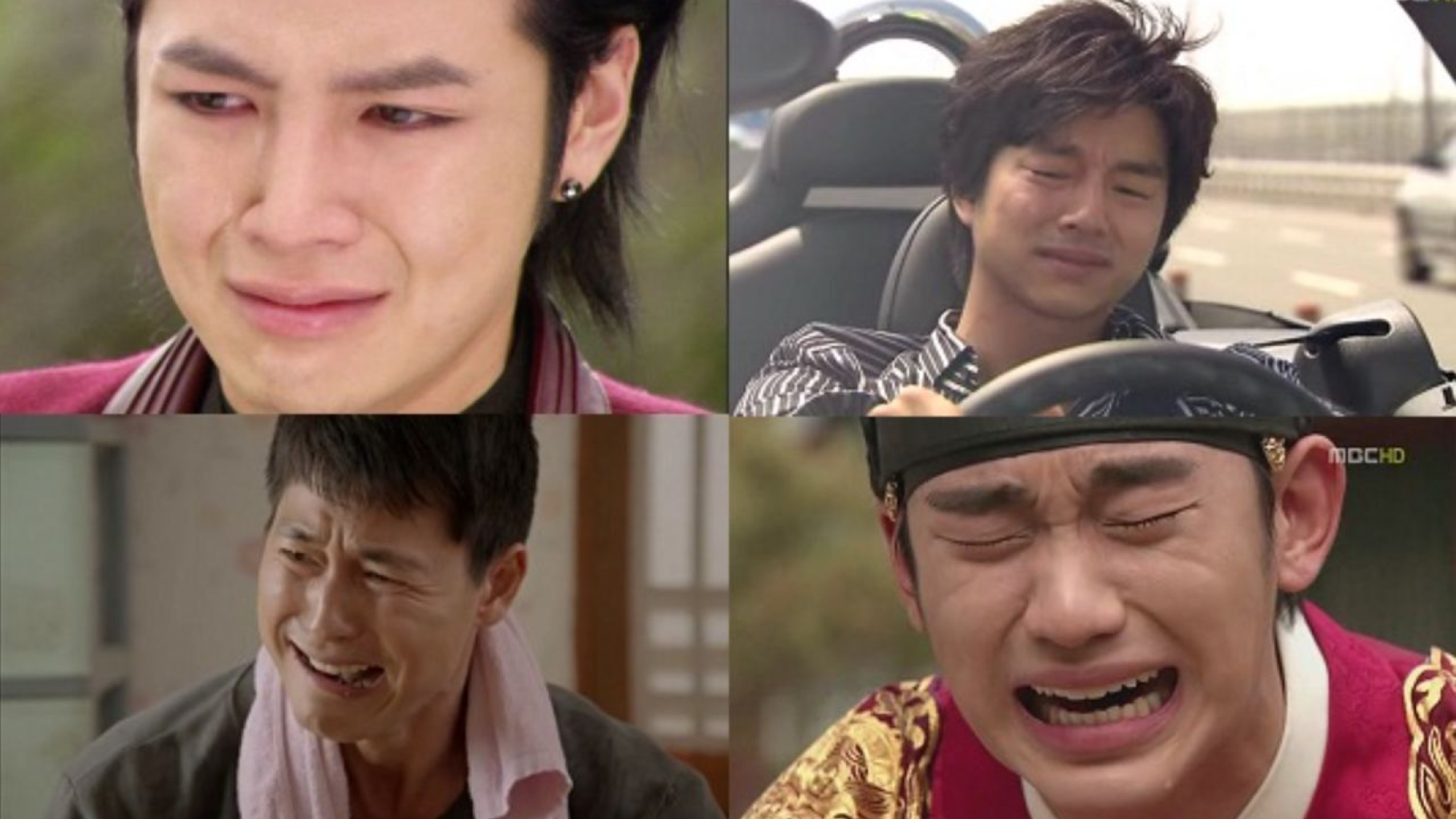
Stills from dramas in which men also cry
Conclusions
I have written a great many admiring words about South Korea, but of course even Koreans have their problems. Every achievement carries risks, and these are the ones they contend with. Korea is an imperfect country, and the other side of its achievements looks like this: diligence — burnout and a fear of starting a family (because one must keep working); collectivism and hierarchy — intense social pressure (it's hard to decline a boss's invitation to go drinking at a corporate event) and emotional restraint; nunchi and sensitivity — anxiety; speed — chronic stress; the education frenzy — pressure on children. But even so — if one could overcome and refine all these difficulties, if one could manage to distil only the essence of the best, then one can say without doubt: Koreans represent a high standard, and if we reach it, we too will be winners.

