
 УКР
УКР  POL
POL 
Why Is South Korea So Popular? (Part 1)
Have you noticed the recent hype surrounding South Korea, and Asia in general, over the last decade?
The world is gradually becoming captivated by Korean cinema, music, cosmetics, food, and technology. People might not necessarily be die-hard K-pop fans, but they have certainly heard of BTS at least once. Moreover, almost every household likely owns something by Samsung—be it a washing machine, a refrigerator, or a smartphone. Every success has a recipe, so let’s explore this phenomenon of Korea "conquering the world."
Contents
- History Built by Strong People on Ruins
- Unique 효 (Hyo) and Its Impact on Daily Life
- The Phenomenal Phenomenon of Trust
- "Have You Eaten?" or "밥 먹었어? (Bap meogeosseo?)" — One of the Most Important Phrases in Korea
- The World's Most Collective Nation
A History Built by Strong People on Ruins
As we mentioned, Korea has taken over the world through music, dramas, microchip technology, video games, electronics, automobiles, cosmetics, and more — a phenomenon that has even earned its own name: Hallyu. Yet less than 100 years ago, Korea was a poor, unknown country to the rest of the world.
After 40 years of brutal Japanese occupation, the country once again found itself in dire straits. Following the Korean War (1950–1953), considered one of the most brutal conflicts of the last century, the country was utterly devastated — with a low level of industrialization and extreme poverty and famine. The Korean War became the battleground for two opposing world ideologies — democracy and communism — which divided the world in two, and its very outbreak is considered the beginning of the Cold War. Yet, miraculously, Korea survived and rose from that chaos like a phoenix.
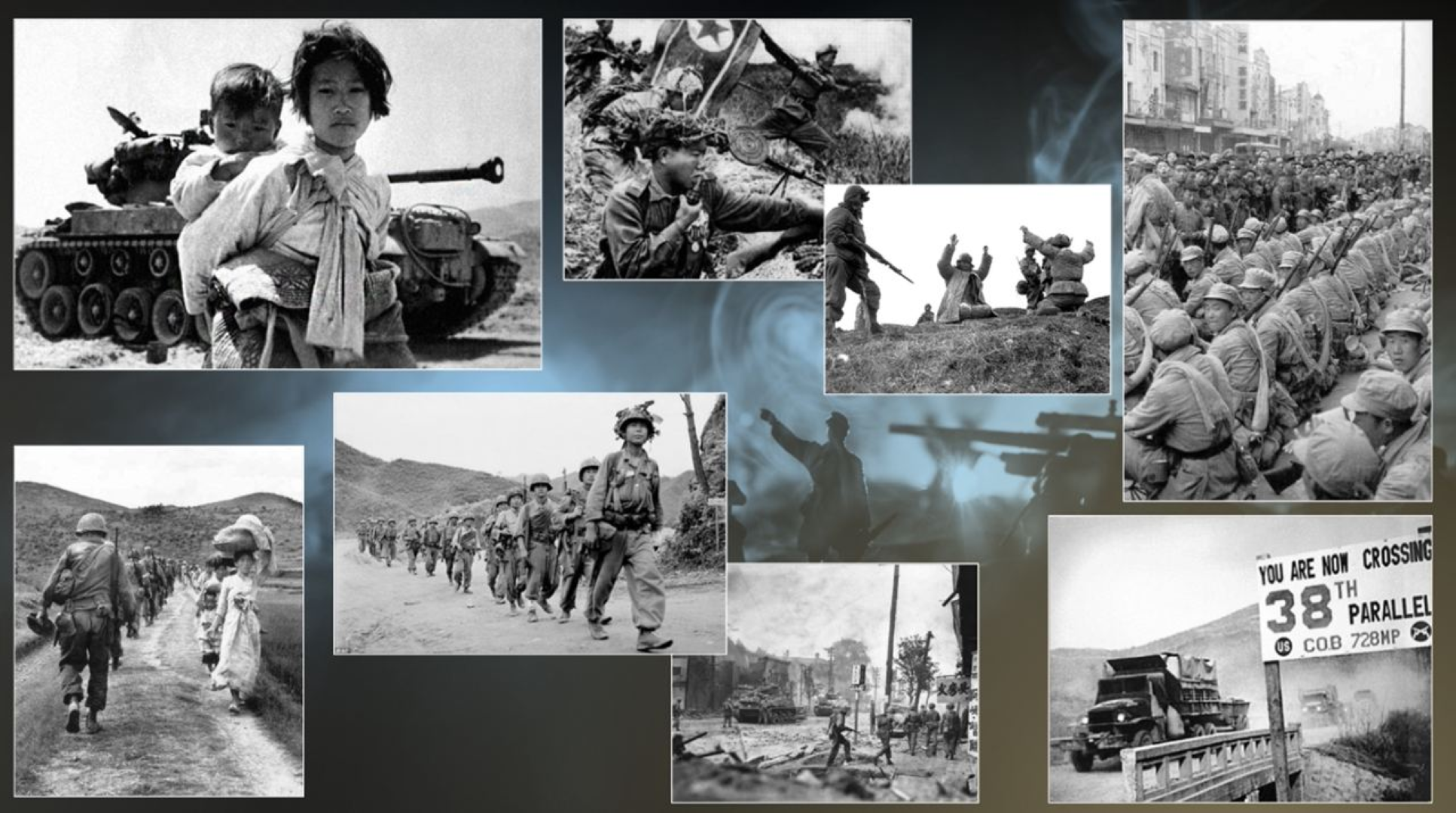
The horrors of the Korean War, one of the most brutal confrontations of the 20th century
Korea's economic miracle, also known as the "Miracle on the Han River," is the phenomenal economic rise of South Korea in the second half of the 20th century. Its GDP per capita grew from approximately $100–200 in the 1960s to over $30,000 in the 2020s. South Korea became one of the world's leading exporters of electronics, automobiles, ships, and technology.
But what is the secret to its success? How did they become so prosperous, and how did they manage to rise after such a tragic history? Today we will examine this phenomenon through the lens of values — because any external change always begins with inner growth — and we will also explore what we can adopt from them to become a strong nation ourselves.

Seoul — a megalopolis with a population of over 9.4–9.7 million people, and still growing
The Unique 효 (Hyo) and Its Influence on Everyday Life
Once, at a bus stop, I witnessed a simple scene that moved me to the core. A couple met at a crosswalk. When they saw each other, the very first thing they did — without a moment's hesitation — was bow deeply to one another, and only then did they kiss. The man bowed with such a wide smile on his face, and that moment, like a frame from a film, was etched into my heart. I kept thinking: why can't I get this scene out of my head? And eventually I understood — I had witnessed the relationship between a man and a woman not merely as romance or passion, but as respect expressed at a profound non-verbal level, at the level of genuine human regard.

The bow in Korea, as in many Asian countries, holds a special significance. It is an expression of respect — when you "lower your head," the most important part of the body, thereby showing a humble attitude and devotion to your partner in a relationship. What fills me with the greatest, almost childlike wonder is the full bow that a newlywed couple makes to their parents at a wedding. And every time I see a student bow to their teacher in that same way, tears come to my eyes — because in my own experience, even though I had good relationships with teachers, I never had the kind of deep bond where you love, thank, and respect your teacher as you would your own mother or father.
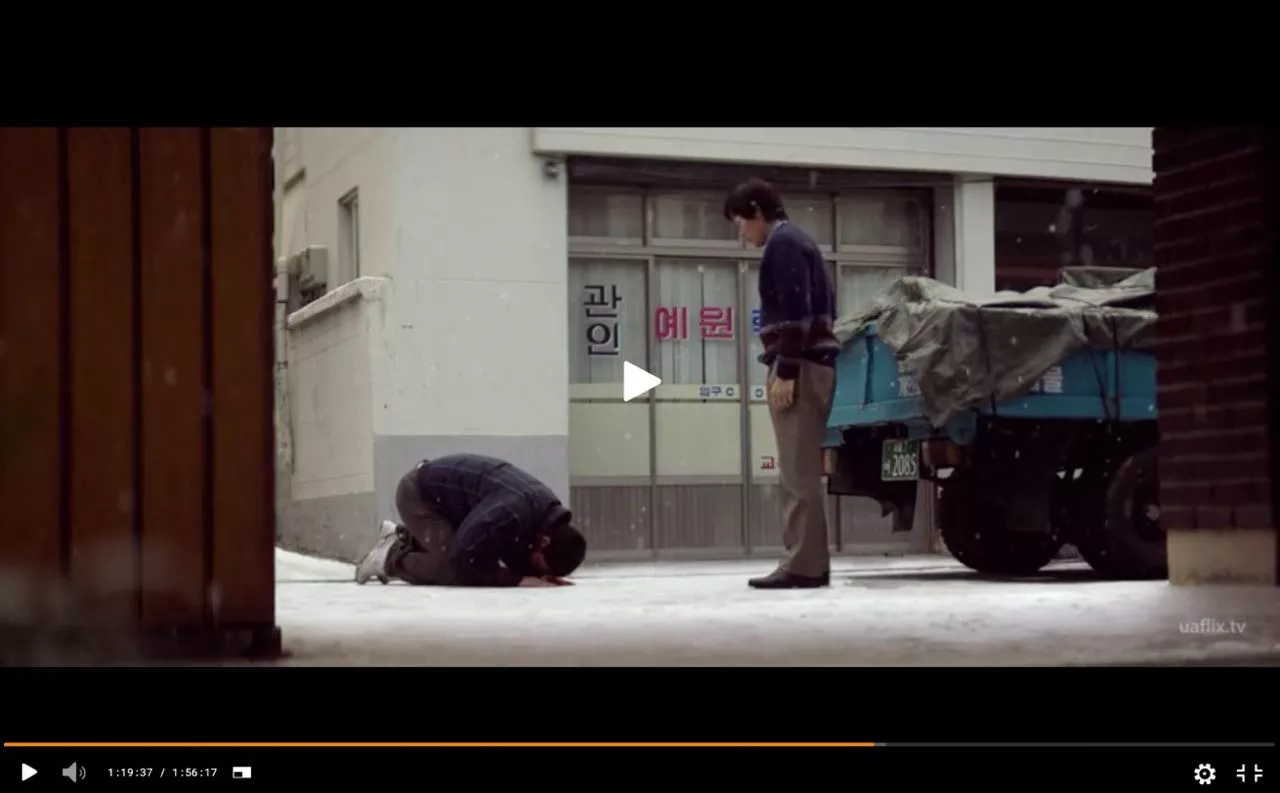
A still from the film "The Match" (Korean: 승부)
Respect has become a part of their culture that exists beyond religion. It is a culture in which the younger person can show reverence, and the older person can feel the joy of having invested in the younger one. I believe this is an important aspect we can inherit in order to become successful ourselves: a culture of behavior in society rooted in respect, devotion, and loyalty — wherever we may be, whether at work, in the family, at university, or even with strangers.
Where did such values come from?
The tradition of respect — and in particular, respect for one's ancestors — has very deep roots in Korea. It is not the result of a single cause, but rather a combination of philosophy, religion, and way of life.
Even before any formal philosophies existed, Koreans practiced shamanism and believed that the souls of the deceased do not disappear but remain nearby. They also believed that ancestors could influence the lives of the living — helping or harming them — and therefore had to be appeased and honored.
Later came Confucianism — a system that structured everything and placed the veneration of ancestors at the very center of social life. The core concept became "효 (hyo)," or "filial piety." This gave society clearer rules, a family hierarchy, and the duty to remember one's ancestors even after death — and it became not merely a belief, but a social law. A powerful aspect of this philosophy was the understanding that a person is part of a lineage, and therefore represents not just themselves, but the line of their ancestors.
What can we take from this for ourselves? I think it is a beautiful tradition — to build one's life while preserving the memory of ancestors for future generations, and to let go of selfishness, so that "my life" is not only about "me," but also about my family, my lineage, my people, and my society.
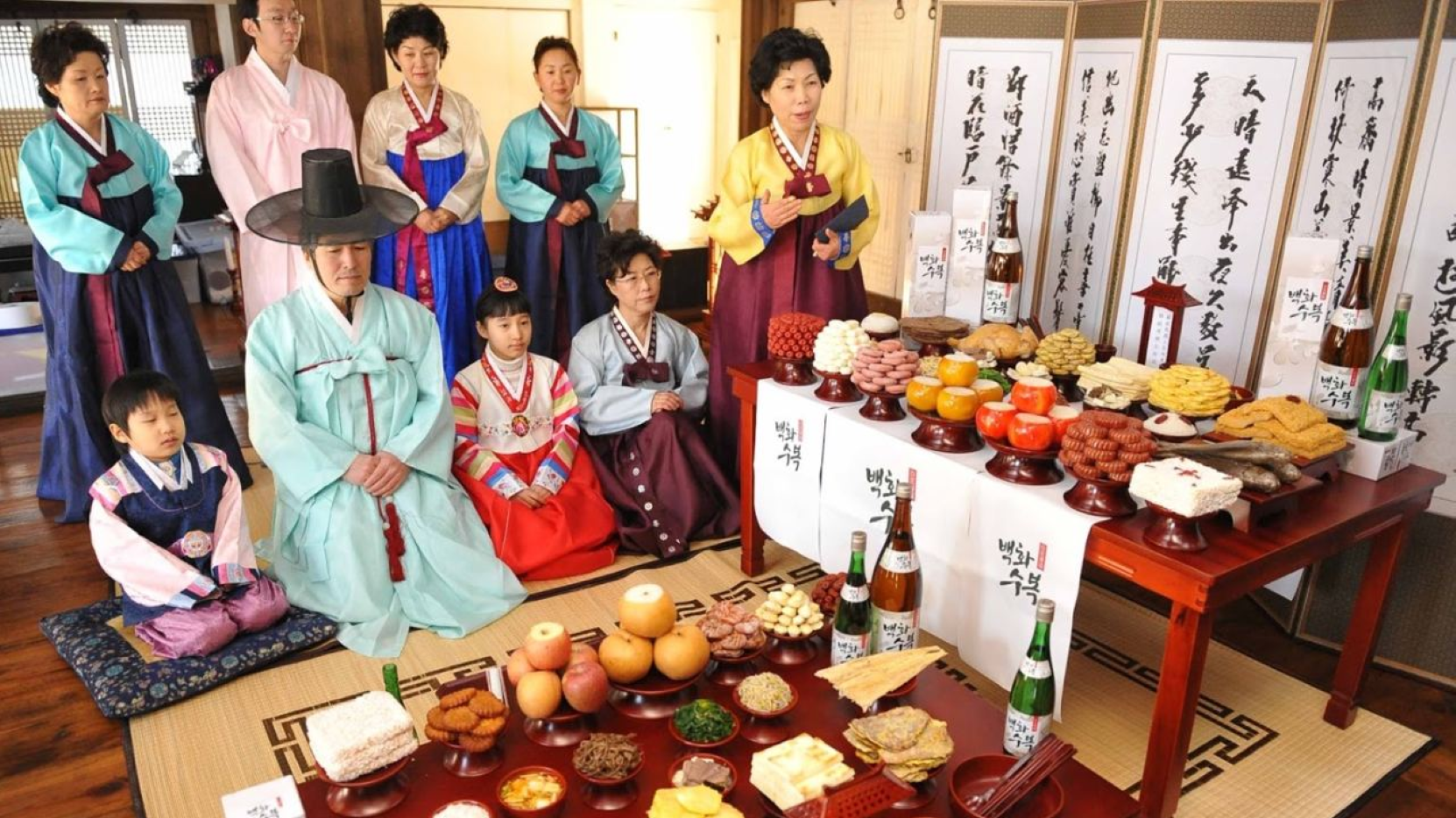
The traditional Chuseok holiday — a harvest festival and a day of honoring ancestors
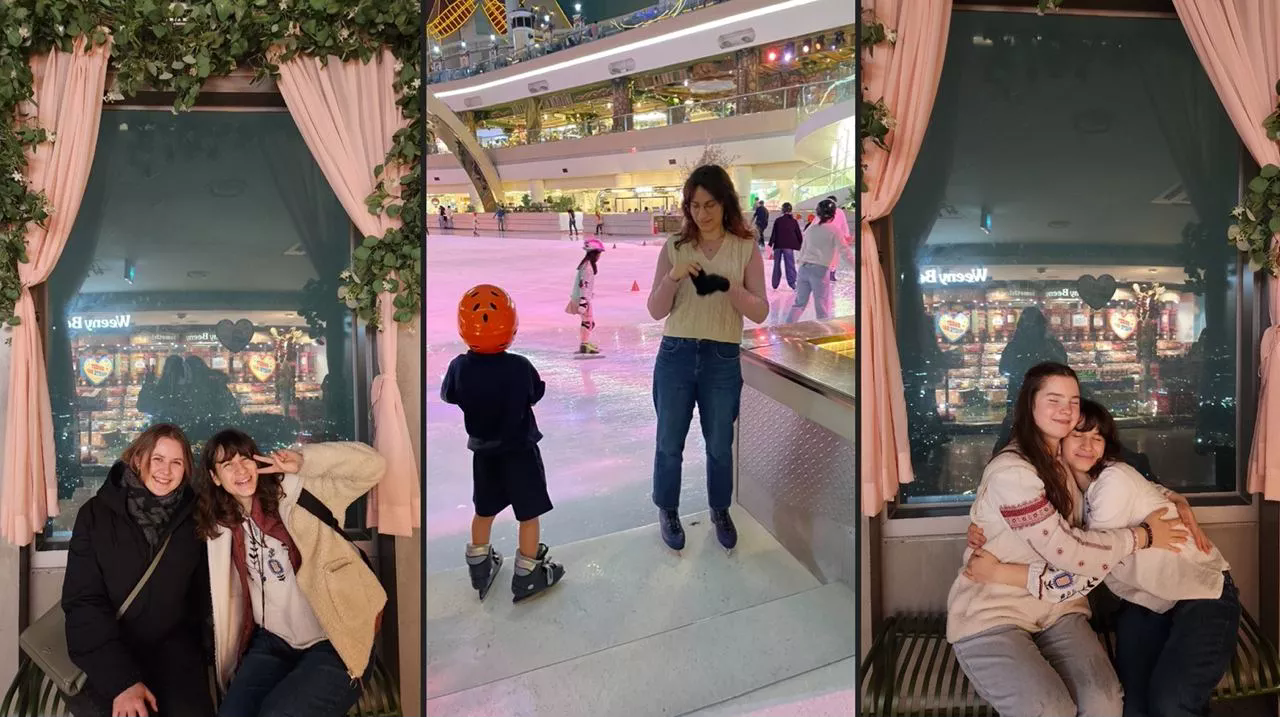
Have you ever noticed how friends or colleagues address one another in Korea? At first it felt unusual to me to call a girlfriend "언니 (eonni)" — literally "older sister" — but over time I came to understand that it is not about the word itself, but about the attitude behind it. With this mindset, a person is not a separate, isolated unit, but part of a relationship — and so what matters is not just "who you are," but "who we are to each other." This creates a sense that the entire Korean people are, in a way, one big family, which makes relationships warmer even with strangers.
You know, I once found myself wondering why people even need the concept of "friendship." Why do we gravitate toward one another in search of friends, and why does this social institution exist at all? And in Korea I found my answer: people seek friends because they naturally want relationships similar to those they have with siblings — where you can be yourself, where there is trust, where you share both the happy and the hard moments with these people. That is a description of a good friend, but at its core, it is a description of a good brother or sister.
The Phenomenal Phenomenon of Trust
I will be honest: I experienced genuine culture shock when I arrived in Seoul. It is an immensely large city, with a population of nearly 10 million people. You might expect it to feel overwhelmingly crowded. And it is — Seoul is full of people, and those people are loud and fast-moving. But my mental template for a dynamic capital city shattered when I saw how, in literally every café, Koreans reserve their table… with a phone or a wallet. How is that even possible? What is more, when they need to step away, they can leave absolutely all of their belongings at the table — including expensive laptops and documents — and disappear for 20 minutes. It took me a long time to adjust, because the habit of frantically gathering everything up along with your jacket and taking it all with you to the restroom before returning — that was a habit I had to unlearn. I do not want to idealize South Korea; theft does happen there too. And the country's overall safety level is high — cameras are everywhere, police response is fast, and so on. But the point is about values, and about the level of trust within society. I do not steal, and so I am not afraid of being stolen from..
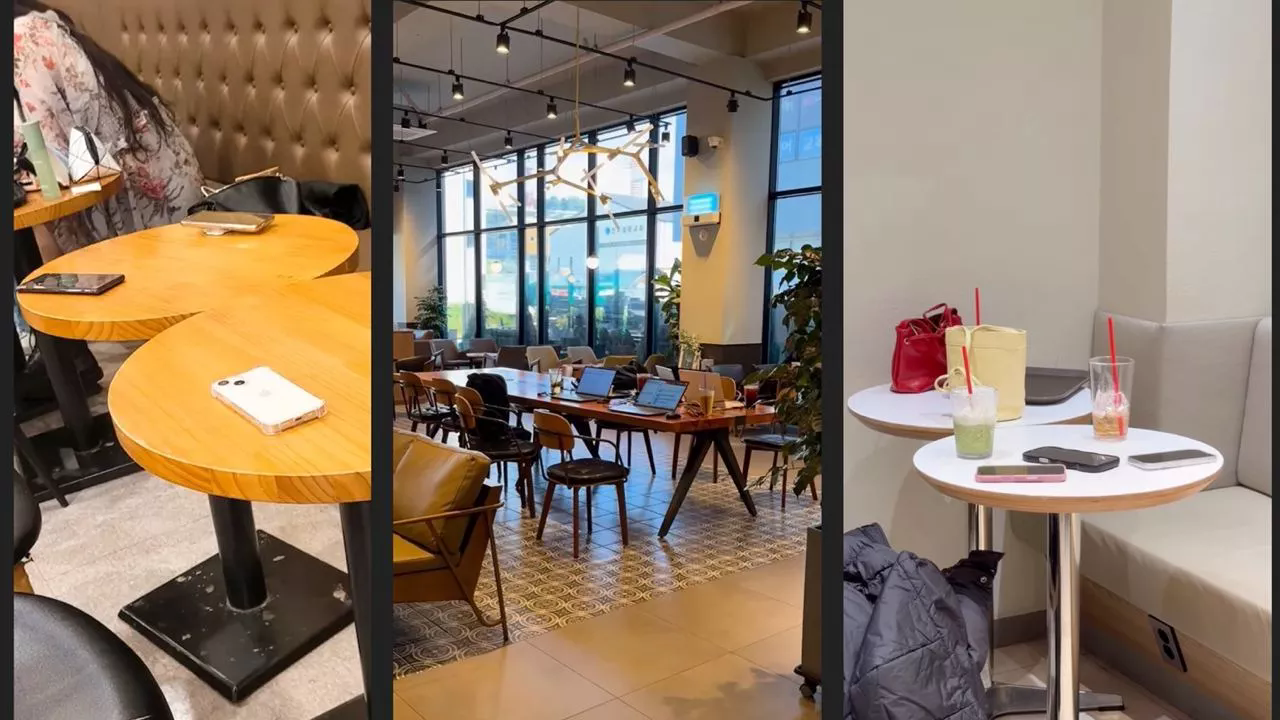
Ordinary cafés in South Korea, where a table is reserved with a phone
Moreover, there are shops there with neither staff nor security. You walk in on your own, take whatever you want, scan it, pay, and head home. I also personally experienced a situation where my friend lost her bank card, and when we realized it, we retraced our route — and a few hours later, we found it.
Can we build such a culture ourselves? Of course, no miracle will happen if I simply start leaving my belongings in a café, because trust in that case concerns not only me, but every stranger around. Nevertheless, this can serve as a point of reference for us — a kind of "values lighthouse" — showing what level we can reach if we transform our culture through education and strong personal principles.
"Have You Eaten?" or "밥 먹었어? (bab meogeosseo?)" — One of the Most Important Phrases in Korea
As we have already mentioned, Korea endured terrible famine and war, and so food began to occupy a very special place in the lives of Koreans. The question "Have you eaten?" is not simply an inquiry into whether you are hungry — it translates, in spirit, to "How are you?"
The café format there takes the shape of a "sikdang" — which is typically not a fancy establishment, but a place opened by a family where everyone from the surrounding neighborhood comes to eat. In a modest sikdang, elegantly dressed ladies might sit alongside ordinary construction workers on their lunch breaks.
A sikdang becomes popular not because it offers an "Instagrammable aesthetic," but because the food there most closely resembles home cooking: the owners prepare the freshest ingredients themselves and do so with love. The guests at such sikdangs are usually regulars, and they are wonderfully warm-hearted — more than once when we visited, both the owners and other patrons would treat us to dishes they had ordered themselves.
I also had a personal experience when I fell ill and spent a week at home in bed. The owner of the apartment we were renting came by to check in and asked what had happened. He was so genuinely concerned about my being unwell that that evening I found a package of meat in the refrigerator along with a note: "Eat well, because you need to get better."
I nearly cried — because, one might ask, what business is it of his? And yet he always made sure we were fed, and this was not simply friendliness, but the way Koreans express care and parental love.
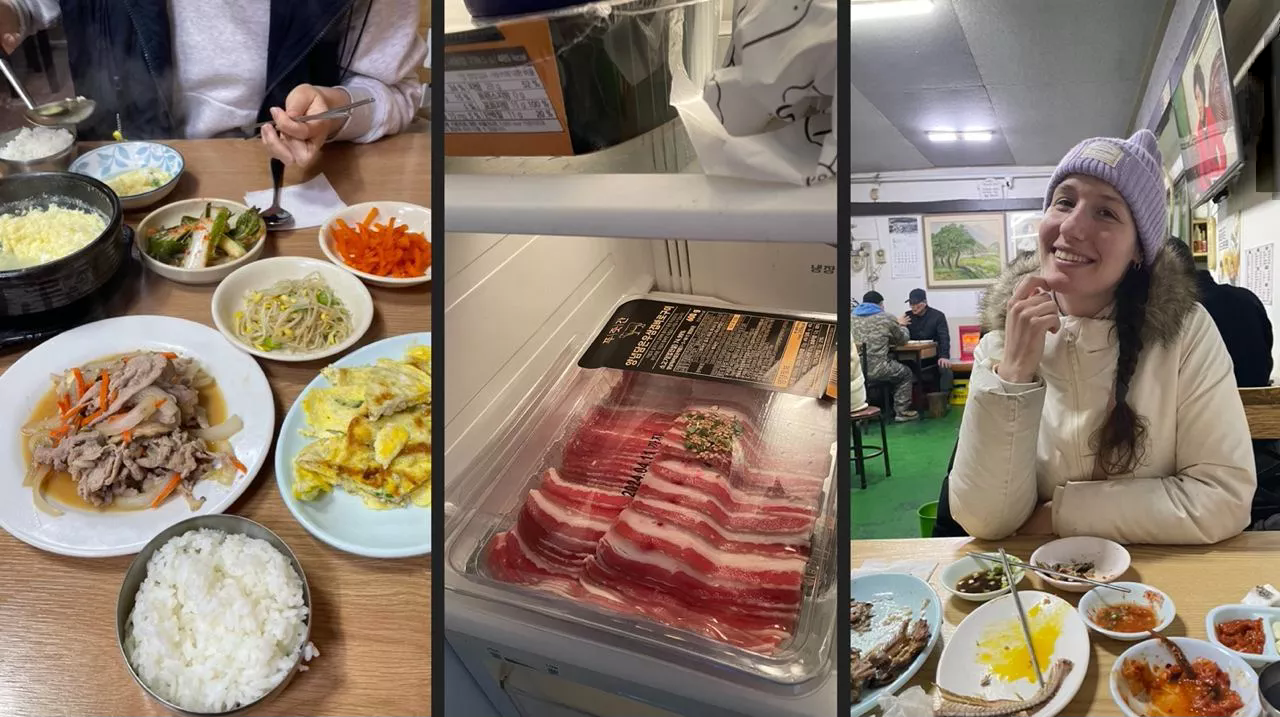
Lunches at the sikdang — where half the food we did not purchase but received as gifts from the owners or other guests — and a photo of the meat the apartment owner bought so that I would recover
The Most Collective Nation in the World
Honestly, I have never in my life encountered a more collective nation. Apart from the fact that Koreans are themselves a homogeneous people — ethnically, culturally, and linguistically — they also love doing everything together.
Even now, as many foreigners arrive in South Korea, this culture remains deeply present in Koreans' everyday lives. I noticed it time and again in cafés, where they always arrive in groups — nurses on their lunch break, families, groups of friends. They are constantly with someone, and for them, this is simply natural.
In the Korean language, there is a fascinating phenomenon surrounding the word 우리 (uri), meaning "our" or "ours": Koreans do not say "my mom" — they say "our mom." Not "my country," but "our country." This applies to a specific set of words: mom, dad, son, daughter, brother, sister, country, family, language — that is, everything related to Korean identity. And as you might have gathered, family relationships are also an integral part of Korean identity.
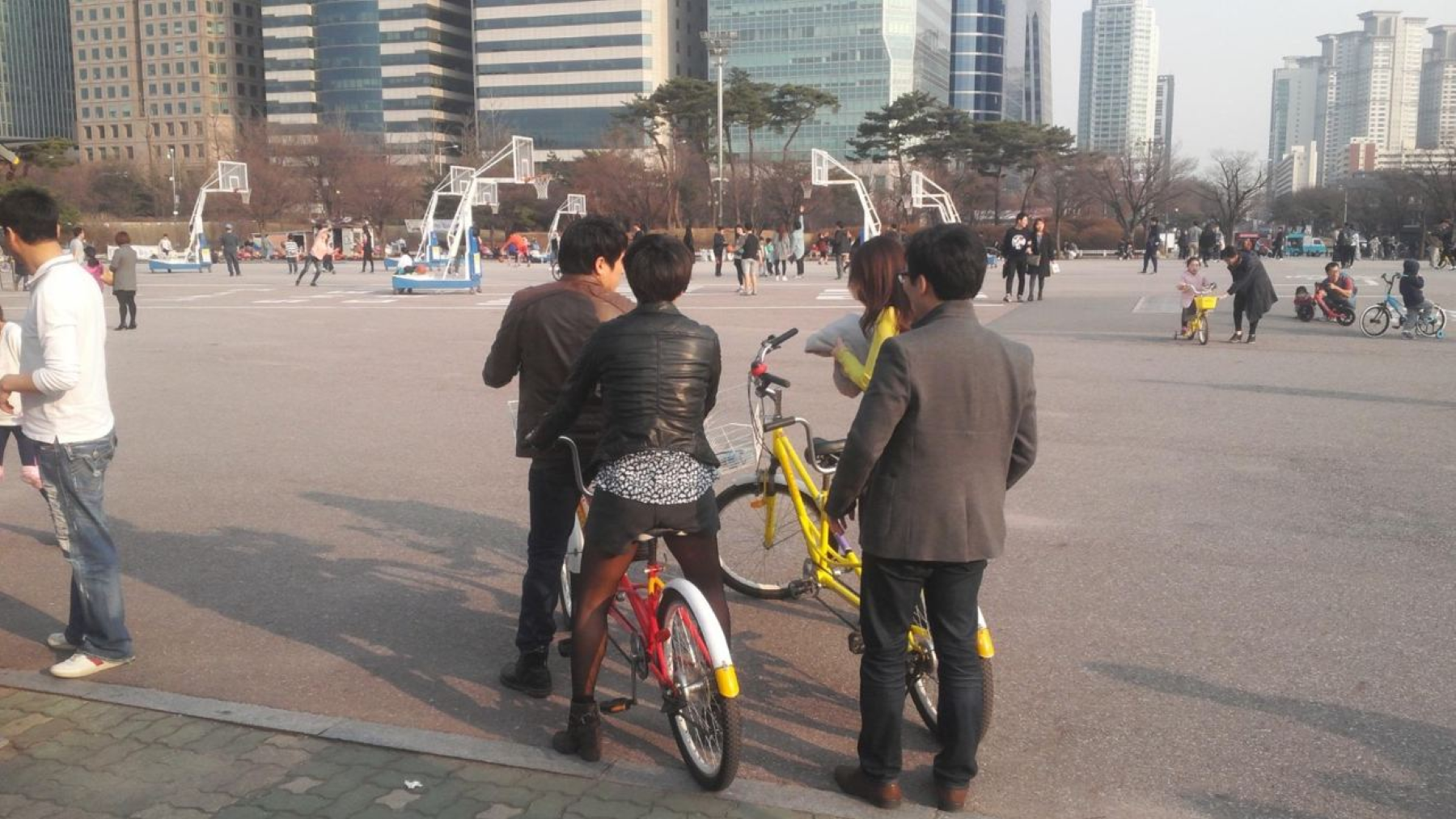
A sports area where even the older generation opts for maximally communal activities — such as tandem bicycles
So very often I noticed that they will not simply stand aside. Once, at a bus stop, a police officer pulled over a motorcyclist. Within five minutes, as the two were sorting things out, a whole group of elderly men from the neighborhood had gathered — and they began defending the local motorcyclist. In the end, what started as a reprimand to the motorcyclist turned into a reprimand of the police officer.
And what is interesting is that the police officer did not resort to his authority or show any aggression — on the contrary, he respectfully explained to the elderly men why he had stopped the young man. Because no matter what position you hold, you must observe the invisible rules of generational hierarchy.
More than once I have heard complaints from young people in the West: why should we respect elders simply because they are older, even when they are, objectively, "wrong"? Yet in my view, the Eastern culture of respect — a baseline respect, even when we can objectively see professional or age-related shortcomings in others — can help build a healthier society.
Again, of course, everything has its flip side: even in Korea, such social norms can be exploited by those who hold a higher position by age or knowledge, using it for personal gain or recognition — and this damages relationships. So Korea, like any country in the world, is far from perfect, and such cases do occur.
Yet regardless, this approach to life and these values objectively make Koreans happier and allow them to build more sincere and deeper relationships. This culture can serve as a guiding light for us — even despite the imperfections in how it is lived out.
Despite a difficult history, wars, and famine, Korea endured these hardships because it had a strong spirit. By nature, Koreans are quite a spiritual people — that is the impression they left on me. By that I mean everything mentioned throughout this article: respectfulness, esteem, care for others. It is precisely this culture that became the foundation of Korea's rapid economic development — because "for a seed to sprout, the soil must be fertile."
This was the first part of the article about South Korea. In the second part, we will explore: what other secrets lie within Korean culture, what high-context communication in Asia means, and why Korea is captivating the world of modern cinema and music.
To be continued in Part 2

